
Ketamine infusion therapy has shown promising results for treatment-resistant mood disorders and chronic pain conditions.
At AVIVA, we are proud to offer the latest in mental health treatment options. In addition to high levels of safety standards and patient care, AVIVA utilizes ketamine infusion therapy for the treatment of anxiety, as well as other mood disorders like depression, PTSD, and OCD.
Our mission statement at AVIVA is to provide personalized, high-quality management options for people struggling with treatment-resistant conditions. Ketamine infusions have proven to be a powerful and rapid treatment for anxiety and other mental health conditions.

You will be shown to to one of our private infusion rooms where you will be seated in a comfortable recliner chair. Your first appointment will include a thorough consultation with either Julie or Ellen. They will review your mental health and medical history, discuss your treatment plan, and answer all of your questions. Plan to be at the clinic for about an hour and a half.
The ketamine infusion will last approximately 40 minutes for mood therapy and approximately 2-4 hours for chronic pain treatment. You will stay in your street clothes throughout the process. If you have a loved one with you, they can wait in the waiting room or in your infusion room if you choose.
We will take an initial set of vital signs and start an IV in your arm or hand. The IV is a flexible plastic catheter placed in a vein that is used to deliver your ketamine infusion. We can use numbing medicine before placing the IV so it is a virtually painless experience. The plastic catheter is connected to fluids that contain your prescribed dose of ketamine. During the infusion, we will monitor your heart, breathing, blood pressure, and oxygen level. In addition, we will carefully monitor your reaction to the infusion and make any necessary adjustments.
Each treatment room has dimmable lights and a white noise machine. We can provide ear plugs or you can bring music to listen to if desired. Bring your own playlist or stream live music using our complimentary WiFi.
If you have a history of motion sickness or become nauseous easily, we can administer an anti-nausea medication before your treatment begins. Though unusual, some patients may experience some very mild nausea during their infusion which can be quickly treated with medication in your IV.
The ketamine will begin to take effect within a few minutes. The infusion is not painful. Some patients describe an “out of body” feeling during their infusion. We call this a dissociative effect, and the majority of patients enjoy this sensation. They just find it different. You will be able to engage in a conversation throughout the infusion and will not lose consciousness at any time. The dissociation that occurs is essential to achieving positive results. If at any time you are uncomfortable or fearful, we will be there to help you and reassure you during your infusion.
Your IV catheter will be removed and you can relax in the infusion room until you are ready to leave. You may feel a bit tired for a few hours and that is totally normal. We do require that you have a ride home, and you will be unable to drive the rest of the day. We will continue to monitor you on a daily basis. This will help us keep track of your progress and make any necessary adjustments to your treatment plan. We are always available to you if needed.
What leads a person to develop an anxiety disorder is still not fully understood by the medical community. Traumatic events or life experiences may trigger anxiety disorders in those already prone to them, but inherited traits can also be a factor.
In some cases, the anxiety disorder may be linked to underlying health issues. In other cases, symptoms of anxiety can be the first indicators of another sort of medical condition.
Examples of other conditions sometimes linked to anxiety include:
It is also possible that your anxiety may be caused by an underlying medical condition if:
Characterized by chronic anxiety and exaggerated worry and tension, even if there is little or nothing to provoke it.
Known for the intrusive thoughts (obsessions) that come along with this disorder, as well as repetitive behaviors (known as compulsions). These compulsions, or “rituals,” are developed as a way for someone with OCD to cope with the obsessive thoughts they experience. However, this typically only offers temporary relief, and can even make the anxiety worse over time.
Known for intense moments of fear that are made obvious through physical symptoms, like dizziness, stomach troubles, shortness of breath, chest pain, and/or heart palpitations.
Known for the intense fear brought on by social situations, like shopping, public speaking, playing a sport, or simply being around other people in small, controlled settings.
Known for the intense fear formed from certain situations or places. Causes the suffer to go out of their way to avoid the things that trigger their anxiety.
The following factors may increase your risk of developing an anxiety disorder:
Research into IV ketamine infusions for the treatment of anxiety is still ongoing, but the current understanding is that ketamine can bind to receptors in the brain and increase the amount of glutamate, a neurotransmitter. This will set off a chain of reactions in the brain and impact emotional regulation.
To put this in layman’s terms, ketamine allows the brain to trigger hormones that create more positive emotions. One added benefit of ketamine infusion is that relief can occur within minutes rather than the weeks or months an antidepressant or therapy may take.
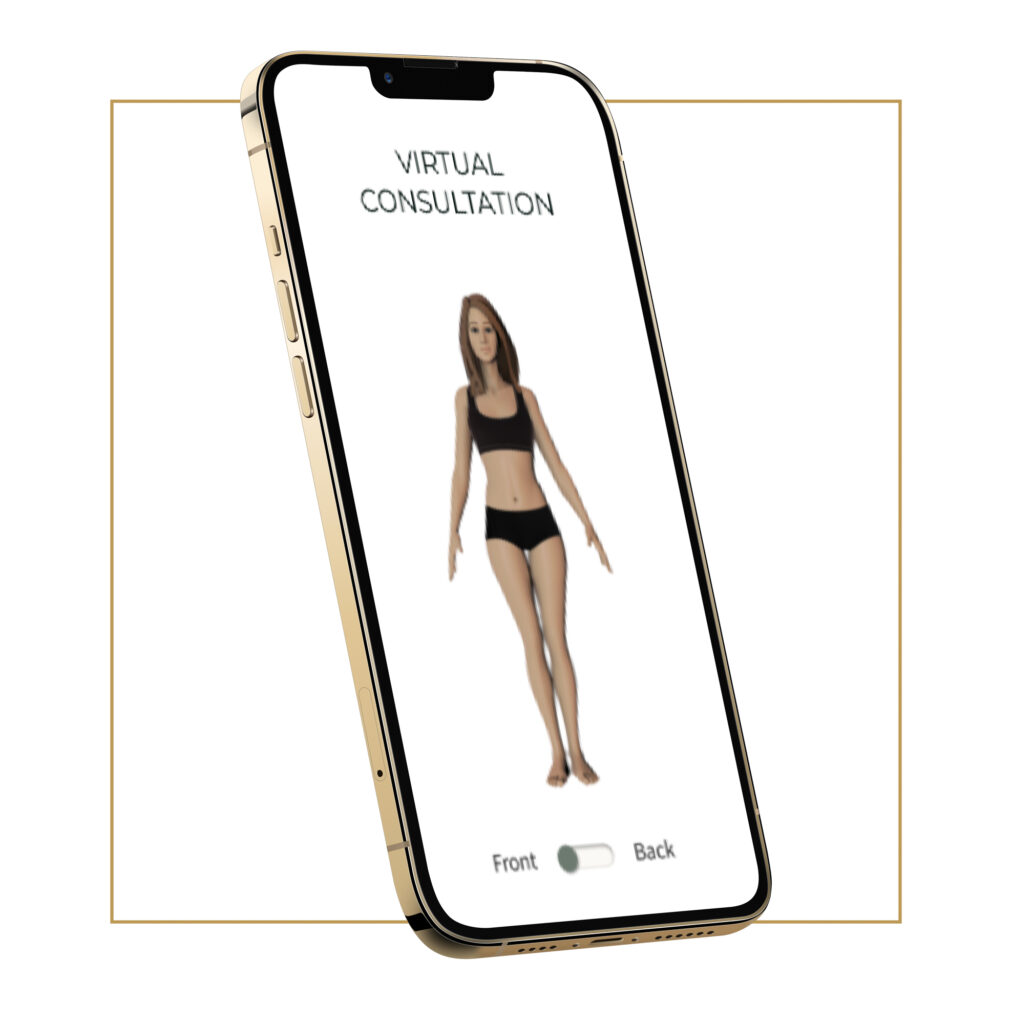
Tell us more about you and your needs using our Virtual Consultation Tool.
Input your concerns, and we’ll provide custom treatment recommendations for your unique needs.